The Art of Intimate Storytelling: Why Hands and Eyes Speak Louder Than Bodies

Sometimes, the tiniest details tell the loudest stories. I once saw a sketch at a small-town exhibition—two hands trembling before a touch, eyes locked in a silent standoff. There were no faces, no context, but I felt their story lingering for hours. That moment changed how I think about capturing intimacy: it’s not in the grand gestures, but in the slivers and glances. Let’s explore why hands and eyes might just be the true protagonists of romantic and emotional art.
Windows to the Soul: Eyes as Emotional Storytellers
There’s a reason artists and poets have long called eyes the “windows to the soul.” In both art and life, eyes are often the first place we look for truth, emotion, and connection. A single glance can capture trust, desire, vulnerability, or even a deep sense of longing—sometimes all at once. Research shows that in visual storytelling, the eyes are among the most powerful tools for conveying intimacy and emotional nuance, often speaking louder than words or even physical closeness.
It’s not just the eyes themselves that matter, but everything around them. The direction of a gaze, the tension in the eyebrows, and the subtle movements of the mouth all work together to amplify an artwork’s emotional charge. For example, a sidelong glance paired with slightly parted lips can suggest anticipation or uncertainty, while a steady, direct gaze with relaxed brows may signal trust or comfort. These small details—often overlooked—are what make a portrait or scene feel alive.
Lighting, too, plays a crucial role in shaping the story told by the eyes. A gaze cast in shadow can hint at secrecy, seduction, or inner turmoil, while eyes bathed in soft, bright light may evoke openness, fragility, or hope. Studies indicate that artists who experiment with lighting around the eyes can dramatically shift the mood of their work, making a scene feel either inviting or mysterious with just a few brushstrokes or camera adjustments.
Sometimes, the most profound communication happens without a single word. Once, while people-watching in a café, I noticed two friends in the middle of what seemed like a heated discussion. Their voices were low, their bodies tense. But then, one of them caught the other’s eye—just for a moment. Instantly, the tension broke. They both smiled, and the argument seemed to dissolve. That quick exchange said more than an hour’s conversation ever could. It’s a reminder that, as artists, capturing these fleeting moments of eye contact can reveal entire stories beneath the surface.
For those looking to deepen the emotional impact of their art, the key is not just to detail the eye itself, but to show where and what it’s searching for. Is the gaze reaching for another person, lost in thought, or avoiding something painful? The context of the look—the direction, the setting, the interplay with other facial features—matters as much as the eye’s shape or color. As one artist put it,
“The eyes are not just a feature; they are a narrative in themselves.”
Artistic tip: Instead of focusing solely on technical accuracy, try to capture the intention behind the gaze. Pair the eyes with subtle cues—like a furrowed brow or a trembling lip—to add layers of emotion. Use lighting to either reveal or conceal, depending on the story you want to tell. In doing so, you invite viewers to feel the intimacy and tension that words alone cannot express.

The Language of Hands: Crafting Connection Without Words
When it comes to capturing intimacy in art, hands often say more than words ever could. The subtle curl of a finger, a palm hovering in uncertainty, or the gentle enclosure of one hand over another—these gestures can project trembling anticipation, comfort, reluctance, and longing, sometimes all at once. Research shows that hands are among the most emotionally expressive parts of the body, capable of communicating vulnerability, desire, and trust without a single spoken word.
Artists who focus on hands quickly discover that the truth of a moment rarely lies in anatomical perfection. Instead, it’s the rhythm and gesture—the way a hand moves, pauses, or hesitates—that brings a scene to life. As one source notes, “Focusing on rhythm and gesture (not just anatomy) brings more truth to your art than technical precision ever will.” The energy between two hands, the tension in a barely-there touch, or the comfort in a steady grip can all tell stories that resonate deeply with viewers.
Consider a simple, everyday moment: two strangers in a travel café, their hands almost touching over a map. Every inch of air between their fingers buzzes with potential. The story isn’t in what happens, but in what doesn’t—the space between, the anticipation, the possibility. This kind of visual storytelling invites viewers to fill in the blanks, to feel the tension and wonder what might come next. As studies indicate, capturing these natural, spontaneous moments of interaction often results in the most authentic expressions of intimacy.
Hands can express a wide range of emotions, including:
Anticipation: Fingers hovering, trembling, or reaching out but not quite touching.
Comfort: A hand gently resting on another, offering silent reassurance.
Reluctance: A subtle withdrawal, fingers curling inward, or a hand held behind the back.
Longing: Outstretched fingers, a lingering touch, or hands that almost meet but never do.
Artistic techniques for hands go beyond simple drawing. Soft shading, careful attention to gesture, and the use of warm colors can all enhance the emotional impact. Symbolic elements—like interlaced fingers for unity or a single open palm for vulnerability—add layers of meaning. Reference packs and pose guides focusing on hands are valuable resources for artists aiming to capture these nuanced stories.
Art exercise: Try sketching a scene where one hand hesitates and the other invites. Don’t include faces or full bodies—just the hands. Notice how viewers interpret the exchange. Who is reaching out? Who is pulling away? What emotion lives in the stillness between them? This exercise highlights how, in the language of intimacy, hands can speak volumes even in silence.
“The story was in what didn’t happen.”
Unexpected Choreography: Interplay of Hands and Eyes in Intimate Moments
When it comes to capturing intimacy in art, the interplay of hands and eyes often speaks louder than any full-body pose. These two features—so expressive, yet so subtle—create a kind of silent choreography that invites viewers to imagine the story unfolding between the subjects. Research shows that hands and eyes are among the most powerful tools for conveying emotional connection, tension, and trust, often surpassing the impact of more explicit gestures or facial expressions.
Pairing hands and eyes in a scene is like composing a duet. Each movement, each glance, is intentional. For instance, a shy gaze paired with a soft tracing touch can suggest vulnerability and tenderness. On the other hand, a steady stare met by trembling hands might hint at unspoken tension or anticipation. These combinations allow artists to communicate complex emotions without relying on overt displays of affection or drama.
Symbolic elements further enrich this visual language. Interlaced fingers can symbolize unity or a romantic bond, while closed eyes might suggest trust, surrender, or internal emotion. Hands held behind the back could indicate restraint or nervousness, adding layers of narrative that go beyond what is immediately visible. Even the act of breaking eye contact or the way hands hover just short of touching can introduce themes of longing, avoidance, or unresolved desire.
Imagine, for a moment, telling a story using only hands and eyes. No faces, no bodies—just the interaction of four hands and four eyes. What kind of tale could you spin? This exercise challenges both artist and viewer to look deeper, to find meaning in the smallest gestures. Studies indicate that when artists focus on these details, the resulting work often feels more authentic and emotionally charged. As one source puts it, “The most powerful moments are often the quietest.”
For those looking to practice this approach, try skipping faces entirely in your next drawing session. Concentrate on the subtle choreography between hands and eyes. Who initiates contact? Who pulls away? Is there tension, comfort, or uncertainty in the way fingers curl or eyes linger? Sometimes, what’s left unsaid—or unseen—leaves the strongest impression. This method not only sharpens observational skills but also encourages a deeper understanding of how intimacy is built through gesture and gaze.
Incorporating these techniques can transform the way intimacy is portrayed in art. By focusing on the dynamic duet of hands and eyes, artists can create scenes that feel both personal and universal. The viewer is invited to fill in the blanks, to imagine the emotions and stories that live in the space between a glance and a touch. This subtle, intentional choreography becomes a powerful tool for storytelling, allowing for a rich exploration of human connection without ever needing to show a full face or body.
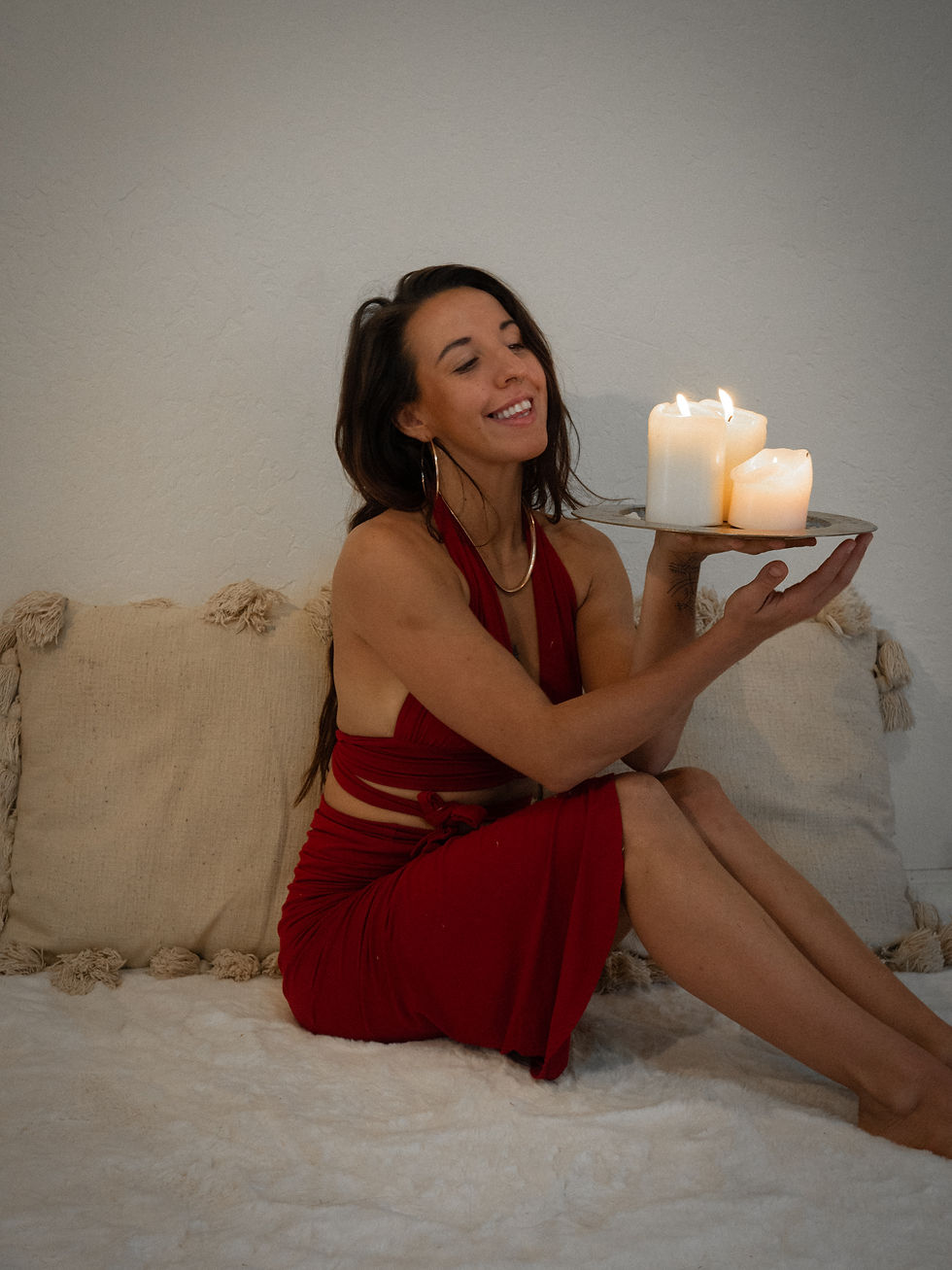
The Quiet Power of Subtle Sensuality: Why Less Can Mean More in Art
Intimacy in art is rarely about what’s shown outright. More often, it’s about what’s left unsaid—the almost-touch, the gaze that lingers just a moment too long, the space between two hands that never quite meet. Research shows that these subtle gestures, especially when focused on hands and eyes, can evoke a deeper emotional response than overt displays of affection or passion. The real power lies in restraint, in letting viewers fill in the blanks with their own feelings and memories.
Hands and eyes are the storytellers of intimacy. A soft glance, a hand hovering in hesitation, or fingers tracing the air near someone else’s skin—these moments create a sense of anticipation and vulnerability. Studies indicate that hands in particular are powerful emotional tools, able to communicate connection, longing, or even tension without a single word or facial expression. Eyes, meanwhile, can hold entire conversations through a look—trust, desire, or uncertainty all flicker in a glance. When artists focus on these details, they invite viewers to engage more deeply, to imagine the story behind the moment.
Subtlety in art is not about holding back emotion, but about making space for it. By leaving something to the imagination, artists allow viewers to project their own experiences and desires onto the scene. This approach often results in a more authentic and lasting emotional impact. As one source notes, “The most powerful moments are often the quietest.” It’s the brush of fingertips, the hand that almost reaches out, or the eyes that meet and then look away that linger in the mind long after the image fades.
Of course, subtle sensuality doesn’t mean the work must be colorless or devoid of symbolism. Warm colors—especially reds and pinks—can heighten the sense of passion or closeness without feeling forced. Motifs like hearts or roses, when used thoughtfully, can add layers of meaning and mood. The key is to avoid cliché by grounding these elements in the genuine emotion of the scene. Even abstract or symbolic touches, such as mechanical or biological motifs, can deepen the sense of connection if they feel true to the story being told.
For artists seeking to master this quiet power, practical resources can make all the difference. Reference packs focused on hands and eyes, pose guides for intimate gestures, and monthly artist newsletters can offer inspiration and technical support. These tools help artists move beyond forced passion and into the realm of authentic connection—where less truly does mean more.
In the end, the art of subtle sensuality is about trust: trusting the viewer to see what’s not shown, and trusting yourself as an artist to say more with less. To explore these techniques and deepen your own storytelling, consider subscribing to artist resources that focus on intimacy and emotional connection. Sometimes, the quietest moments are the ones that speak the loudest.
TL;DR: You don’t need full figures or overt romance to portray closeness in your art. Focus on hands and eyes—their subtle movements and unspoken messages—to unlock new depths of emotional connection and intimacy.


Comments